
The New Food Pyramid: Why It Finally Makes Sense
The New Food Pyramid: Why It Finally Makes Sense
For a long time, government nutrition graphics felt out of touch with how people actually eat and train. The old 1990s food pyramid made refined grains the star of the show, and even later versions like MyPlate left a lot of people shrugging and confused.
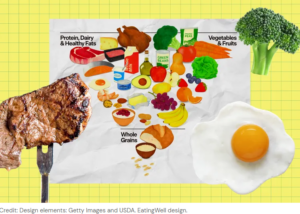
The new “real food” pyramid on RealFood.gov is different. It flips the focus toward the foods that reliably support better health, body composition, and performance: quality protein, healthy fats, fruits, vegetables, and whole grains, with ultra‑processed foods clearly moved out of the spotlight.
At ELITE Fitness Alliance, that is exactly how nutrition has been coached for years:
-
Start with protein.
-
Get your total calories in the right ballpark.
-
Fill most of the remaining space with fruits, vegetables, and whole grains.
The new graphic basically catches the guidelines up to what lifters, coaches, and many dietitians have already been doing in the real world.
What Actually Changed in the New Pyramid?
The new pyramid sits on a “real food” foundation, rather than a base of refined starches. That alone is a huge improvement.
A few key highlights from the updated guidance:
-
Protein, dairy, and healthy fats are treated as everyday essentials, not occasional extras.
-
Fruits, vegetables, and whole grains still occupy a big chunk of the visual, reinforcing the idea that most of your carbs should come from fiber‑rich, minimally processed sources.
-
Ultra‑processed foods and added sugars are still allowed in small amounts, but they are no longer portrayed as something to build meals around.
If you want to see the official details, RealFood.gov lays this out clearly, and the full Dietary Guidelines for Americans, 2025–2030, go into the science behind the changes.
How Science‑Based Coaches View the New Pyramid
If you follow people like Dr. Mike Israetel and other evidence‑based fitness educators, the new pyramid probably looks familiar. For years, they have explained nutrition using their own “priority pyramids”:
-
Calories and total protein at the base.
-
Food choices and meal structure above that.
-
Timing, supplements, and “extras” at the top.
That framework is backed by a lot of research on body composition and performance, not just opinion. When you compare it to the new RealFood.gov version, the overlap is obvious: the government plate finally emphasizes the same big rocks—adequate protein, appropriate energy intake, and mostly minimally processed foods—rather than focusing on sheer servings of bread, cereal, and juice.
Harvard’s Nutrition Source and other academic groups have also pointed out that the updated guidelines double down on reducing added sugars and ultra‑processed foods, which lines up with what strength and conditioning coaches see in the real world: once people dial back those foods and bump up protein and fiber, everything from energy to body composition starts improving.
Simple Rules That Actually Work in Real Life
Instead of memorizing every line of the federal documents, most people do better with a few simple rules they can follow every day. At ELITE Fitness Alliance, the approach looks like this:
1. Start Every Day With a Protein Target
Pick a reasonable protein range for your bodyweight and goals, then build meals around it. For most active adults, that might land around 1.2–1.6 grams of protein per kilogram of bodyweight daily, adjusted for your size and training load.
That usually means:
-
A decent protein source at every meal (meat, poultry, fish, eggs, Greek yogurt, cottage cheese, or well‑planned plant combos).
-
A little extra attention to protein around hard training sessions to support recovery.
When protein is in place, hunger is easier to manage, muscle is easier to maintain, and the rest of your choices tend to clean up automatically.
2. Get Your Total Calories in the Right Zone
Whether you want to lose fat, maintain, or gain muscle, your total energy intake still drives the bus. No pyramid graphic changes that.
Broadly:
-
In a fat‑loss phase, you need a modest calorie deficit—not starvation, not “cheat days,” just consistent, slightly lower intake.
-
For strength and muscle gain, you need a small surplus that does not turn into a junk‑food free‑for‑all.
-
For maintenance and performance, you hover around a stable intake that matches your activity and appetite.
The nice thing about the RealFood.gov materials is that they give you sample patterns and serving ranges at various calorie levels, so you can see how many servings of each food group fit into, say, a 1,800‑ or 2,200‑calorie day.
3. Fill the Rest With Fruits, Vegetables, and Whole Grains
Once protein and calories are roughly where they need to be, the rest of your plate should be mostly plants and higher‑fiber carbs:
-
A variety of vegetables (especially colorful ones) for micronutrients and volume.
-
2–3 servings of whole fruit per day for fiber and naturally sweet options.
-
Whole grains like oats, brown rice, quinoa, or whole‑grain bread as your default “starchy” choices.
The “Daily Servings by Calorie Level” chart on RealFood.gov is worth printing or saving on your phone—it spells out how many servings of each group make sense at different calorie targets and gives concrete serving size examples.
This simple “protein + plants + smart carbs” pattern leaves some room for foods you enjoy that are not perfectly “clean” but still keeps you aligned with both performance and long‑term health.
Where to Check the Official Numbers
If you are the type who likes to match your personal plan with the official guidelines, there are a few primary links to keep handy:
-
RealFood.gov (main page and pyramid):
The front door for the new “Eat Real Food” initiative and the updated pyramid graphic.
https://realfood.gov -
Daily Servings by Calorie Level PDF:
A practical chart showing recommended daily servings of protein foods, dairy, vegetables, fruits, and grains for different calorie levels.
https://cdn.realfood.gov/Daily%20Serving%20Sizes.pdf -
Dietary Guidelines for Americans, 2025–2030 (full document):
The full, detailed explanation of the new patterns, limits on added sugar, and emphasis on minimally processed foods.
https://cdn.realfood.gov/DGA.pdf
You do not need to read every page to eat well—but knowing where the information lives can help you and your coach double‑check your plan.
How ELITE Fitness Alliance Uses the New Pyramid With Clients
For clients at ELITE Fitness Alliance, the new pyramid is less of a shock and more of a confirmation. Day to day, coaching looks like this:
-
Build each meal around a solid protein source first.
-
Use fruits, vegetables, and whole grains to fill out the majority of your carbs and fiber.
-
Keep ultra‑processed snacks and sugary drinks in a smaller, deliberate corner of your diet instead of on autopilot.
The result: clients can support their training, feel better in and out of the gym, and still align with the latest national nutrition guidance—without feeling like they are constantly dieting.
Ready to Turn the New Pyramid Into a Plan You Can Live With?
Reading the new food pyramid is one thing. Turning it into a realistic day of eating that fits your training, your schedule, and your family life is where most people get stuck.
If you want help building a simple, science‑based nutrition plan around these ideas—starting with protein, getting your calories right, and filling the rest with fruits, vegetables, and grains—the coaching team at ELITE Fitness Alliance is ready to guide you.
Want your nutrition to finally match your goals and the latest science? Visit ELITE Fitness Alliance online, book a strategy session, and let a coach help you turn the new “real food” pyramid into real‑world results.

Bracing, Breathing, and Core Engagement Techniques for Stronger Squats, Deadlifts, Presses, and Ab Training
If…

How to Recover and Safely Shovel Snow This Winter
Shoveling snow might seem simple, but it is one of the most…