
Losing Strength With Age? How Right Exercise Program Can Help
Key Takeaways
- Strength training for older people can help them maintain muscle and mobility and achieve independence.
- Combining resistance exercises with aerobic and balance exercises makes for a balanced exercise program.
- Start with small amounts of exercise and then increase the amount as you get stronger.
Introduction
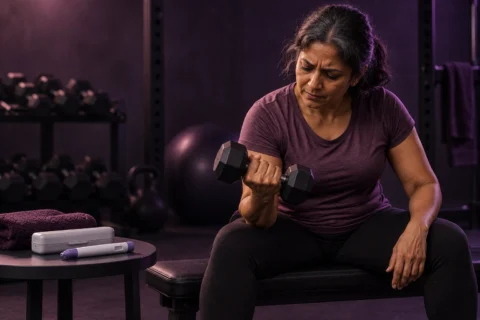
As we get older, everyday activities that we once took for granted can become more challenging. Things like walking up the stairs, carrying groceries, or lifting heavier objects can become more difficult as we lose strength and muscle over time. The good news is that getting older doesn’t mean you have to slow down or give up the things you enjoy. With regular strength training and the right exercise program, you can maintain muscle, improve balance, build confidence, and continue doing the things you love while maintaining your independence.
Working with a personal trainer or participating in a supportive small group fitness program in East Brunswick can make a big difference. Having guidance, accountability, and a community around you can help make exercise more enjoyable and, most importantly, help you stay consistent for the long term.
Why Does Strength Decline with Age?
Muscle loss, reduced activity, and prolonged sitting can contribute to declining strength. When muscles are used less, everyday movements become harder, often leading to even less activity. Regular movement can help break this cycle.
If weakness appears suddenly or comes with dizziness, pain, or repeated falls, consult a healthcare professional before exercising.
Which Exercises Help Older Adults Stay Strong?
A useful program combines strength, aerobic activity, and balance practice. The CDC recommends at least 150 minutes of moderate aerobic activity weekly for adults aged 65 and older, plus muscle-strengthening activity on two days and balance exercises.
Try chair sit-to-stands, wall push-ups, resistance-band rows, or light hand weights. Walking supports heart health, while supported balance exercises can improve stability. Start comfortably and increase resistance gradually.
How Can a Trainer Make Exercise Safer?
A qualified fitness trainer for older adults can adapt exercises to your mobility, health history, and goals. They can demonstrate proper technique, adjust resistance, and offer seated alternatives.
Discuss health concerns with your doctor before starting, particularly if you have a chronic condition or a history of falls. Stop and seek medical advice if you experience chest pain, unusual breathlessness, or sudden dizziness.
Can Group Exercise Help You Stay Consistent?
Yes. Group exercises for adults can make movement social and provide a regular schedule. Classes may include chair-based strength work, resistance bands, and balance drills suitable for different abilities.
Choose a welcoming class with an instructor who explains modifications and encourages breaks. Exercise groups for older adults can provide routine and social connections, helping participants stay motivated.
What Should a Simple Weekly Plan Include?
Start with a realistic schedule. Walk on three days, practise strength exercises twice weekly, and include supported balance movements as appropriate. Allow recovery between sessions that train the same muscles.
A fitness trainer for older adults can adjust this plan to your ability. If you are inactive, begin with short sessions and build up gradually. Consistency matters more than intensity.
How Can You Tell If the Program Is Working?
One of the best ways to measure progress is by noticing how much easier everyday activities start to feel. Maybe getting up from a chair isn’t as difficult, carrying groceries feels more manageable, or you feel more confident and steady walking up and down stairs. These are all signs that your strength and mobility are improving. Take note of where you are when you start and check in with yourself every few weeks to see how far you’ve come.
Getting older doesn’t mean you have to accept losing your strength or independence. With the right combination of strength training, balance work, and consistent exercise, you can continue to build strength, improve mobility, and feel more confident doing the things you enjoy.
There is no reason to allow age-related decline in strength to affect your independence. With practice of appropriate exercises and guidance, you can improve your mobility, increase your strength, and be confident in your ability to complete activities of daily living.
At ELITE Fitness Alliance, we offer both individual training and supportive small-group programs to help you work toward your goals at a pace that’s right for you. Our goal is to help you stay strong, capable, and independent for years to come.
FAQs
1. Can Older Adults Build Muscle After 60?
Yes. Appropriate strength training can improve muscle function at older ages when exercises progress gradually.
2. How Often Should Older Adults Exercise?
Aim for strength training at least twice weekly, alongside aerobic and balance activities suited to your abilities.
3. Are group exercises for adults Suitable for Beginners?
Yes, provided instructors offer modifications, and the class matches your fitness level. Explain relevant limitations before joining.
4. What If Balance Is a Concern?
Practice supported movements near a sturdy chair or counter and seek guidance from a clinician or qualified trainer.

Key Takeaways
It is most important to work with a sustainable way of eating in order to reach long-term weight loss.
Personalized nutrition…
Key Takeaways
Weight loss also includes loss of lean muscle mass.
Building strength through exercise and adequate nutrition can help to…