
How to Recover and Safely Shovel Snow This Winter
Shoveling snow might seem simple, but it is one of the most common causes of winter injuries. Every year people strain their backs, pull muscles, irritate old surgeries, or end up with preventable pain because they are not prepared for the physical workload.
Here is how to protect yourself, shovel safely, and recover the right way afterward.
Why Shoveling Is Hard on the Body
Shoveling combines bending, lifting, twisting, and pushing. This is the same type of movement that aggravates backs, shoulders, and knees in the gym.
Shoveling also tends to happen first thing in the morning when your body is not warmed up and your joints are stiff. Add cold temperatures and heavy snow and the risk of injury goes up fast.
How to Prepare Before You Shovel
1. Warm up for 3 to 5 minutes
You would never go into a deadlift cold. Shoveling should be no different.
Try:
-
Marching in place
-
Gentle hip hinges
-
Arm circles
-
Light bodyweight squats
This increases blood flow and protects your lower back.
2. Dress in layers
Cold muscles are tight muscles. Keep your core and hands warm so your grip and posture stay strong.
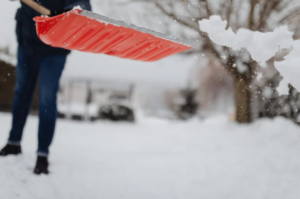
3. Use the right shovel
A lightweight, ergonomic shovel reduces strain on your spine. Choose one with a curved handle to keep you more upright.
Safe Shoveling Technique
Use your legs, not your back
Hinge at the hips, keep your spine neutral, and push through your legs to lift the snow.
Avoid twisting
Turn your whole body, not just your torso, when dumping snow. Twisting under load is one of the top causes of winter back injuries.
Push instead of lifting
When possible, push the snow aside rather than scooping it up. This reduces total stress on your joints.
Take frequent breaks
Every 10 to 15 minutes, stand tall, stretch your chest and hip flexors, and breathe deeply to reset your posture and heart rate.
How to Recover After Shoveling
1. Gentle stretching
Focus on:
-
Hip flexors
-
Lower back
-
Hamstrings
-
Chest
-
Shoulders
This helps counteract the forward-rounded posture of shoveling.
2. Rehydrate
Cold weather makes it easy to forget water. Hydration helps reduce muscle soreness and supports recovery.
3. Light movement the rest of the day
A short walk, easy mobility session, or light resistance training keeps stiffness from setting in.
4. Warm bath or heating pad
Heat increases circulation and can ease muscle tension after heavy shoveling.
When You Should Be Extra Careful
People with previous surgeries or injuries should take additional precautions.
Hip or knee replacements
Avoid heavy lifting, deep bending, and twisting. Push snow instead of lifting.
Shoulder surgeries
Use smaller loads, slow controlled movements, and avoid throwing snow to the side.
Lower back history
Work in small sections, hinge correctly, and take more frequent breaks.
If pain spikes or feels sharp, stop and reassess.
Final Thoughts
Shoveling snow is real physical work. Taking a few minutes to prepare your body and using proper technique can prevent pain and make the job easier.
At ELITE Fitness Alliance, we help clients stay strong year round so they can handle real-life tasks like this without discomfort. Simple mobility, better hip mechanics, and stronger glutes and core go a long way in winter.
For more nutrition and gut health tips, visit our blog at www.elitefitnessalliance.com/blog

Large fitness classes can be energetic and motivating, but they are not the right fit for everyone. When a class has dozens of people, it can be…

Fitness professionals and individuals considering GLP-1 weight loss programs often have many questions regarding how exercise and nutrition can…