
Diverticulitis Diet: What to Eat for Best Outcomes and Prevention
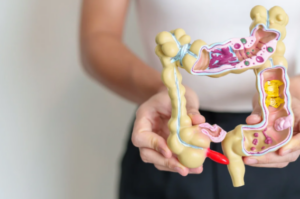
Diverticulitis happens when small pouches called diverticula in the wall of the colon become inflamed or infected. It can cause abdominal pain, fever, nausea, and changes in bowel movements. What you eat plays a major role in both managing a flare-up and preventing future ones. Dietary strategies vary depending on whether you’re in the middle of a flare or in recovery. Understanding the right foods at the right time can help you feel better and reduce your risk of recurrence.
What Happens During a Diverticulitis Flare-Up
During a diverticulitis attack, the goal is to give the colon time to rest and heal. Your healthcare provider may recommend starting with a clear liquid diet for a short period, especially if symptoms are moderate to severe. This approach is often used in hospitals and at home to reduce irritation and avoid further inflammation. Clear liquids include:
-
Broth or stock (chicken, beef, or vegetable)
-
Water, tea, or coffee without cream
-
Fruit juices without pulp
-
Gelatin (no fruit pieces)
-
Ice chips
-
Popsicles without bits of fruit or pulp
After a day or two on clear liquids, and when symptoms improve, you may be able to move to low-fiber foods. These are easier to digest and put less pressure on the colon while still providing nutrition.
Examples of low-fiber foods during a flare or recovery phase:
-
White rice, white bread, white pasta
-
Potatoes without skin
-
Eggs and tender cooked poultry or fish
-
Smooth dairy like yogurt or cottage cheese
-
Cooked fruit without skin (like applesauce)
Avoid high-fiber foods during an active flare because fiber stimulates bowel movements, which can worsen discomfort during acute inflammation. Once symptoms ease, your doctor will guide you toward adding more fiber back into your diet.
Why High Fiber Matters for Long-Term Health and Prevention
After a flare has resolved and your inflammation has gone down, the focus shifts to prevention. The majority of experts agree that a higher-fiber diet helps reduce the risk of future diverticulitis episodes. Fiber softens stool and helps it move more easily through the colon, reducing pressure and irritation in the bowel.
Good sources of fiber include:
-
Fruits like apples, pears, berries, and oranges
-
Vegetables such as broccoli, carrots, and squash
-
Legumes such as lentils, beans, and chickpeas
-
Whole grains such as oats, brown rice, quinoa, barley, and whole wheat products
Aim to increase fiber gradually over several days or weeks, so your digestive system has time to adjust. Rapid increases can cause gas and bloating, so start with small steps — for example, adding one extra serving of vegetables or a half-cup of beans per day. Drinking enough water is also critical, as fiber needs fluid to work effectively in the gut.
Foods That Do Not Need to Be Avoided (Contrary to Old Advice)
For many years, people with diverticulosis or diverticulitis were told to avoid nuts, seeds, popcorn, and foods with skins because they might lodge in the pouches and cause inflammation. However, research and clinical guidance no longer support this restriction. There is no evidence that these foods increase the risk of diverticulitis when eaten as part of a balanced diet.
Instead, focus on overall diet quality rather than strict “allowed” or “forbidden” food lists. If certain foods tend to cause personal discomfort, note them and discuss with your healthcare provider.
Other Factors That Support Digestive Health
In addition to diet, other lifestyle choices may help reduce the risk of diverticulitis and support gut health:
-
Stay hydrated with plenty of water each day
-
Get regular physical activity to promote bowel regularity
-
Maintain a healthy body weight
-
Avoid excessive consumption of red and processed meats, which have been associated with higher risk of diverticulitis in some studies
Your healthcare provider or a registered dietitian can help you tailor these recommendations based on your symptoms, overall health, and nutrition needs.
Final Thoughts
Diverticulitis and diverticular disease are common conditions that can be influenced by diet and lifestyle. During flare-ups, a liquid or low-fiber diet helps ease symptoms while your gut heals. Once recovered, a gradual increase in fiber — combined with hydration and movement — supports long-term digestive health and may reduce the chances of future flares.
Always consult your doctor before making major dietary changes, especially if you have active symptoms or other health conditions.
For more nutrition and gut health tips, visit our blog at www.elitefitnessalliance.com/blog

Large fitness classes can be energetic and motivating, but they are not the right fit for everyone. When a class has dozens of people, it can be…

Fitness professionals and individuals considering GLP-1 weight loss programs often have many questions regarding how exercise and nutrition can…