What AI Does Well in the Fitness Industry (and Where a Real Coach Wins)
What AI Does Well in the Fitness Industry (and Where a Real Coach Wins)
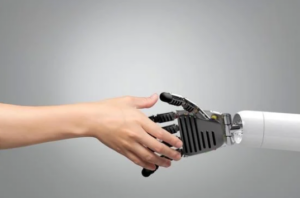
AI is very good at repetitive, data‑heavy tasks and quick pattern recognition; it is not good at understanding the full context of a real human life.
Things AI does well in the fitness industry:
-
Suggests workout structures, exercise progressions, and basic programming based on goals, available equipment, and performance data.
-
Automates reminders, nudges, and check‑ins so people do not fall off just because they got busy for a few days.
Things a real coach still does better:
-
Adjusts a plan on the fly based on stress, injuries, kids’ schedules, work chaos, and actual mood.
-
Calls out unhelpful comparison and helps clients build a healthier relationship with training and food.
AI can make coaching sharper and more efficient, but it does not replace a real person who knows the client, their history, and their triggers.
AI, Social Media, and the Comparison Trap
AI is not just writing programs; it is also curating what people see and who they compare themselves to.
On social media:
-
Filters, editing apps, and AI‑generated images can create physiques that are literally not possible in real life, but still feel “normal” on a feed.
-
Algorithms actively amplify whatever content gets the strongest reactions—even if it worsens body image or promotes unrealistic goals.
Studies and reviews now link heavy social media use with higher rates of body dissatisfaction, anxiety, and disordered eating, especially when feeds are filled with idealized, edited bodies. When a client scrolls and thinks, “Why don’t I look like that even though I’m working hard?”, they are often comparing themselves to AI‑tuned, heavily curated content—not to reality.
In that environment, having a coach and a real‑world gym provides something radically different: honest feedback, realistic expectations, and progress measured against the client’s own baseline, not against an algorithm’s highlight reel.
How This Is Actually Relevant to ELITE Clients
For someone training at ELITE Fitness Alliance, AI is less about replacing their sessions and more about supporting them between sessions.
Here is how AI can be useful without taking over:
-
Letting AI tools suggest supplemental home workouts or mobility ideas, while the core program still comes from the coach.
-
Using reminders or habit‑tracking apps to reinforce the basics—protein, movement, bedtimes—between in‑person sessions.
At the same time, conversations in the gym can help clients interpret what they see online:
-
“Is this transformation realistic?”
-
“Is this workout safe for me?”
-
“Is this AI‑generated ‘perfect’ body even real?”
When clients understand that a lot of what they see online is AI‑edited, filtered, or cherry‑picked by algorithms, they often feel less broken and more empowered to focus on their own training, recovery, and nutrition.
A Simple Message for the Scroller Comparing Themselves
If someone is scrolling social media between sets or on the couch at night, the takeaway can be simple:
-
AI can be a helpful tool for ideas, tracking, and structure.
-
AI‑driven feeds and images are not a fair mirror for self‑worth or progress.
-
The real work still happens in their body, in real time, with real people.
Curious how to use AI tools without getting lost in comparison or confusion? Visit ELITE Fitness Alliance online or stop by the gym to talk with a coach about building a plan that uses technology to support your goals—not sabotage your mindset.
Ever wonder why some people are able to get fit with the same workouts as you but seem to achieve their results faster? The answer lies, indeed, in…
If you’ve been looking for personal trainers near me, you’ve probably been thinking like, “Is paying for one really worth it?” Honestly, the…